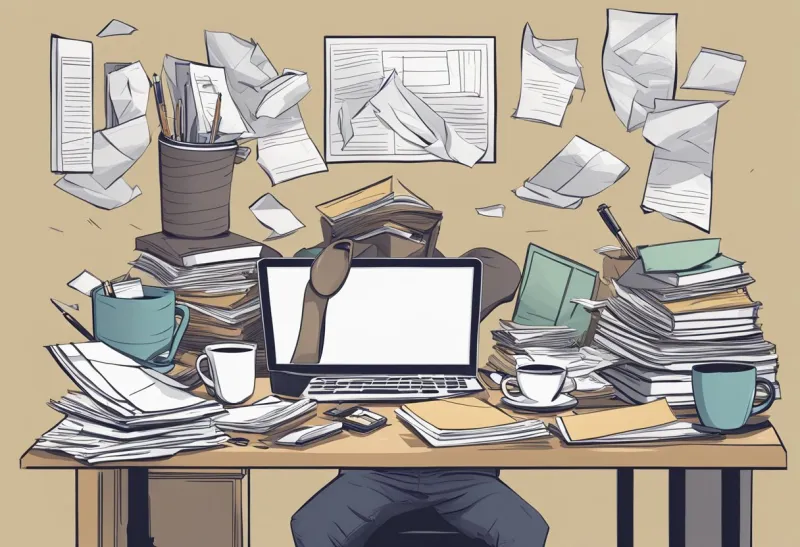
Two Visions, One Canvas: What Happens When Solo Creators Stop Going It Alone
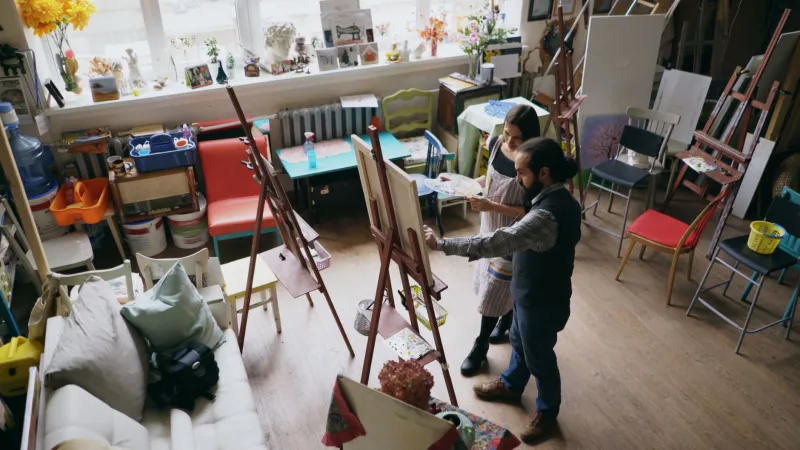
There's a particular kind of dread that shows up the first time a solo artist agrees to collaborate. It doesn't announce itself dramatically. It arrives quietly, sometime between the enthusiastic first email and the moment you realize someone else is going to have opinions about your work—real opinions, ones that could actually change things.
I've been there. Most independent creators have.
The thing is, we don't talk about this part honestly enough. The creative world loves a good collaboration story, especially in retrospect. Lennon and McCartney. Shonda Rhimes and her writers' room. Every great Pixar film built by a room full of people arguing passionately about a cartoon fish. But nobody talks much about the part where someone feels sidelined, or where two strong creative visions collide like tectonic plates and produce something that feels like an earthquake rather than a masterpiece.
So let's talk about that part.
The Solo Artist's Invisible Armor
If you've spent years building a creative practice on your own, you've developed something most people don't even realize they have: a deeply personal system. Your rituals, your references, your weird little habits that somehow produce work you're proud of. That system is yours. It's also, if we're being honest, a form of protection.
Working alone means you control the variables. You decide when to push a piece further and when to call it done. You take the creative risks you want to take, and you absorb the failures privately. There's no one to disappoint but yourself, which sounds sad but actually feels like freedom.
Collaboration threatens all of that. Suddenly your process is visible. Someone else gets to see the false starts, the bad ideas you almost went with, the weird detour you took before landing on something good. For a lot of solo creators, that exposure is genuinely terrifying—not because they're precious about their work, but because the work has always been a private conversation between them and the page, the canvas, the screen.
Opening that conversation up to another person changes its nature entirely.
Where the Friction Actually Lives
Let's get specific about the things that go wrong, because vague reassurances about "creative tension being productive" don't help anyone.
Credit and ownership is the one nobody wants to bring up first but everyone is thinking about. When you make something together, who gets to claim it? This isn't just about ego—it's about professional identity, about the body of work you're building, about what future opportunities might hinge on. Getting clear about credit before the project starts isn't being difficult. It's being professional. Skip this conversation and you're planting a landmine.
Conflicting visions feel catastrophic in the moment but are often the most generative friction, if you can survive them. When your collaborator wants to take the story in a direction that makes no sense to you, the instinct is to dig in and protect your original idea. But that impulse is worth examining. Sometimes you're protecting a genuinely better vision. Sometimes you're just protecting your vision out of habit. Learning to tell the difference is one of the most useful skills collaboration will ever teach you.
The vulnerability hangover is real. You share something you care about, your collaborator responds with criticism—even gentle, well-intentioned criticism—and suddenly you feel like you've handed someone a piece of yourself and watched them poke at it. This is uncomfortable. It's also, annoyingly, how growth works.
What You Actually Learn About Yourself
Here's the thing about collaboration that took me a long time to understand: it's less about the project you're making together and more about the artist it forces you to become.
When you're working alone, your instincts go largely unchallenged. You develop preferences, aesthetics, approaches—and because they work well enough, you rarely have to articulate why you make the choices you make. You just make them.
Collaboration demands articulation. Suddenly you have to explain why the blue needs to be darker, why the second act needs to slow down, why the chorus should repeat three times and not two. And in that explaining, something interesting happens: you find out which of your instincts are actually convictions and which ones are just habits you've never questioned.
That's not comfortable. But it's clarifying in a way that years of solo work sometimes can't be.
I've talked to writers who say their collaborative projects—even the ones that fell apart messily—gave them a more precise understanding of their own voice than anything they'd done alone. Because you can't know exactly what your voice is until you've heard it in contrast to someone else's.
Making It Work Without Losing Yourself
If you're considering a collaboration, or in the middle of one that feels rocky, a few things that actually help:
Set the terms early and in writing. Not because you don't trust your collaborator, but because ambiguity is where resentment grows. Who owns what? How are decisions made when you disagree? What happens if one person wants to walk away? These conversations feel awkward before the project starts and catastrophic after something goes wrong. Have them early.
Designate domains where possible. If one person is stronger on structure and the other on language, let those strengths lead in their respective areas. This isn't about avoiding conflict—it's about giving each person genuine ownership over something, which makes the shared ownership feel less threatening.
Build in time to work separately. Even the most successful creative partnerships need breathing room. Some of the best collaborative work comes from people who spend time alone with the project, then bring what they've developed back to the table. You don't have to be in the same room, physical or virtual, for every moment of creation.
Let the discomfort be information. When something your collaborator suggests makes you bristle, pause before you push back. Is the resistance telling you something important about the work, or something important about your ego? Both are valid data points, but they call for different responses.
The Unexpected Payoff
The artists I know who've come out the other side of difficult collaborations tend to say some version of the same thing: they wouldn't trade it, even the parts that were genuinely hard. Not because the partnership was always harmonious, but because it changed how they work—including when they go back to working alone.
You become a more intentional creator. More willing to question your own defaults. More able to receive feedback without treating it as an attack. More aware of which parts of your creative identity are essential and which parts were just comfortable.
Collaboration doesn't dilute your individual voice. Done honestly—with clear communication, mutual respect, and a willingness to be uncomfortable—it shows you what your voice is actually made of.
And that's worth more than keeping it safely to yourself.